
Guides How many BTU do I need for my room
How many BTU do I need for my room
Room area is a starting point, not the whole answer. Two rooms with the same floor area may need very different capacities.
Updated 27 July 2026
Short answer
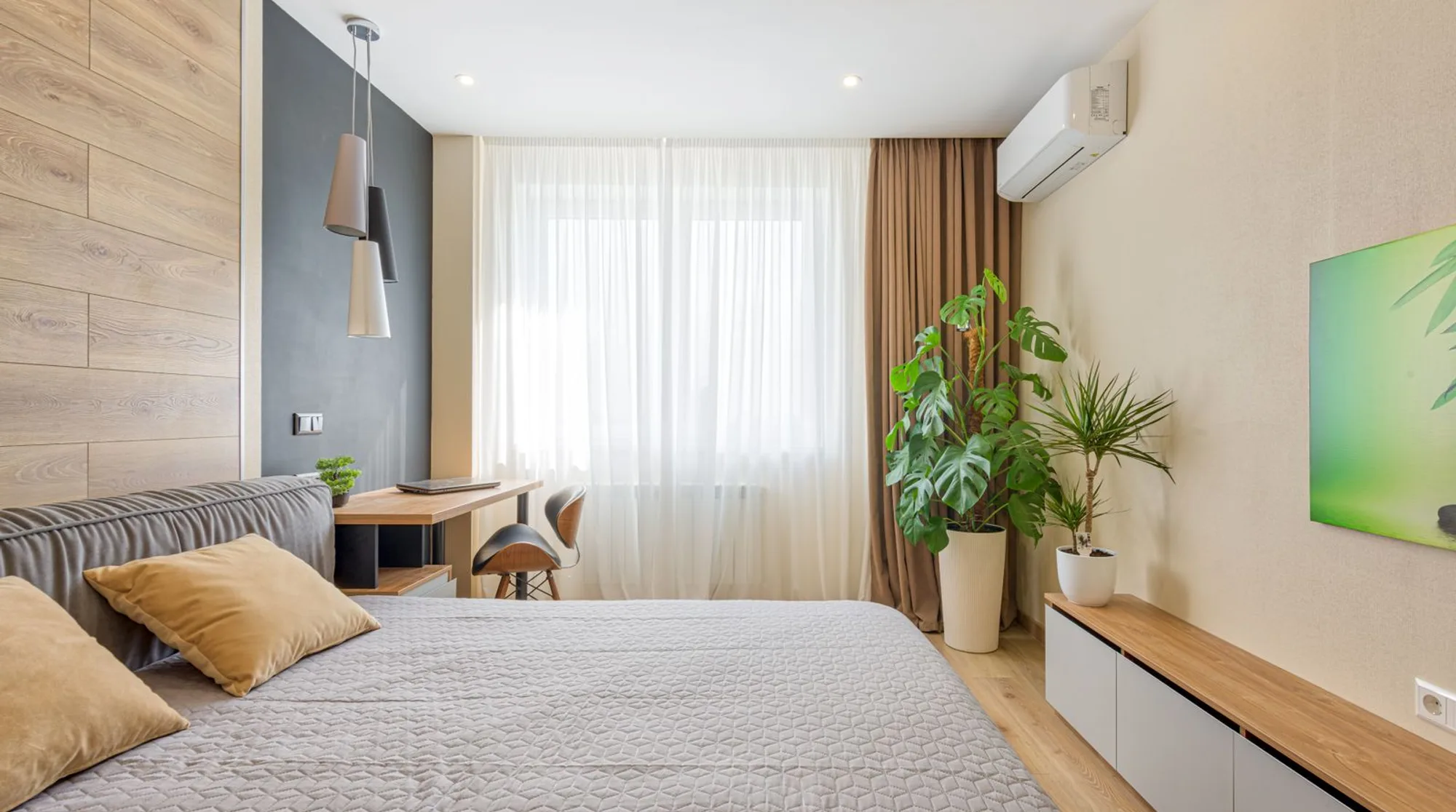
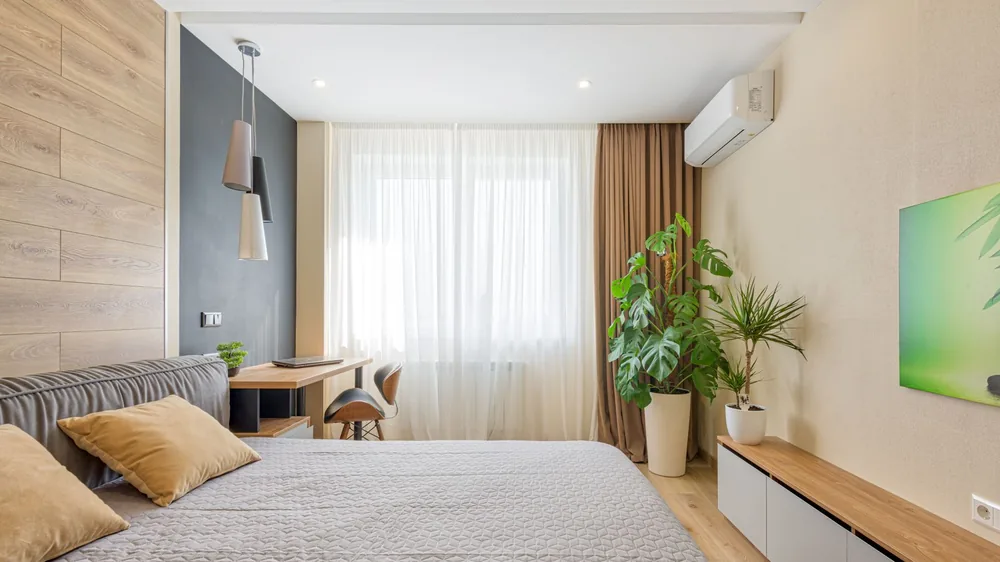
As a starting point, allow around 600 to 700 BTU per square metre in a standard room with a 2.5 m ceiling. A 12 m² bedroom will typically need 9,000 BTU; a 25 m² living room, 18,000 BTU.
Increase the capacity if the room is facing west or south, has extensive glazing, is on the top floor or has a high ceiling. Choosing a unit on floor area alone is the most common reason for disappointing results.
The starting table
| Room area | Starting capacity | Typical example |
|---|---|---|
| up to 12 m² | 9000 BTU | room |
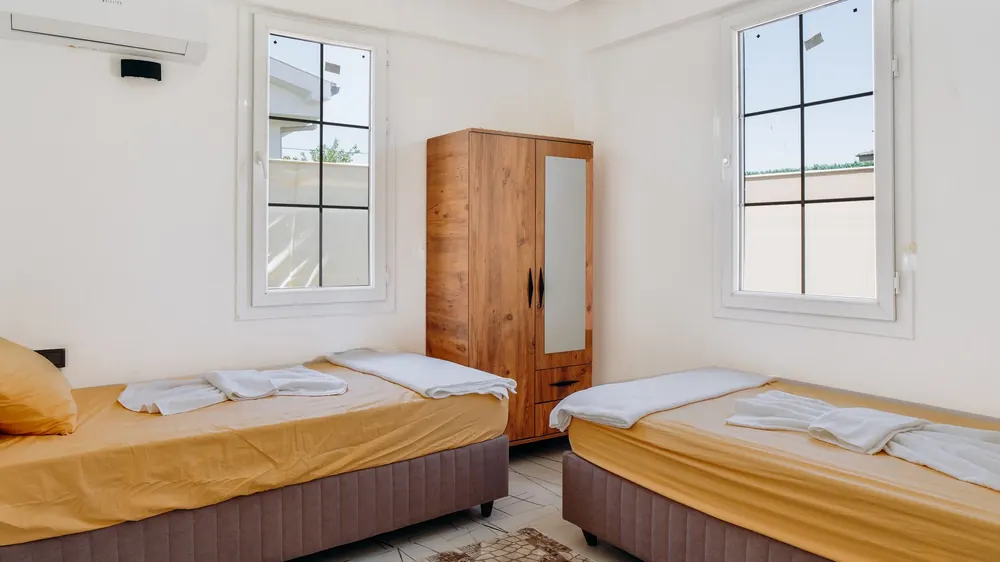
| 12 to 18 m² | 9000 to 12,000 BTU | large bedroom, office |
| 18 to 26 m² | 12000 to 18,000 BTU | room |
| 26 to 38 m² | 18000 to 24,000 BTU | large living room, living room and kitchen together |
| more than 38 m² | own calculation | commercial space, open space |
These values are an honest starting point, not a calculation. They serve to understand the order of magnitude before talking to someone.
What makes the bill go up
- Solar orientation. A west-facing room catches the sun during the hottest hours and may need 15 to 20% more capacity than the same north-facing room.
- Glass area. Large windows, glazed windows or awnings bring in a lot of heat. Single glass weighs a lot more than double glass.
- Top floor. Under a roof, especially without insulation, the heat that enters through the ceiling is considerable.
- High ceilings. The calculation is made for 2.5 m. At 3 m there is 20% more air for air conditioning.
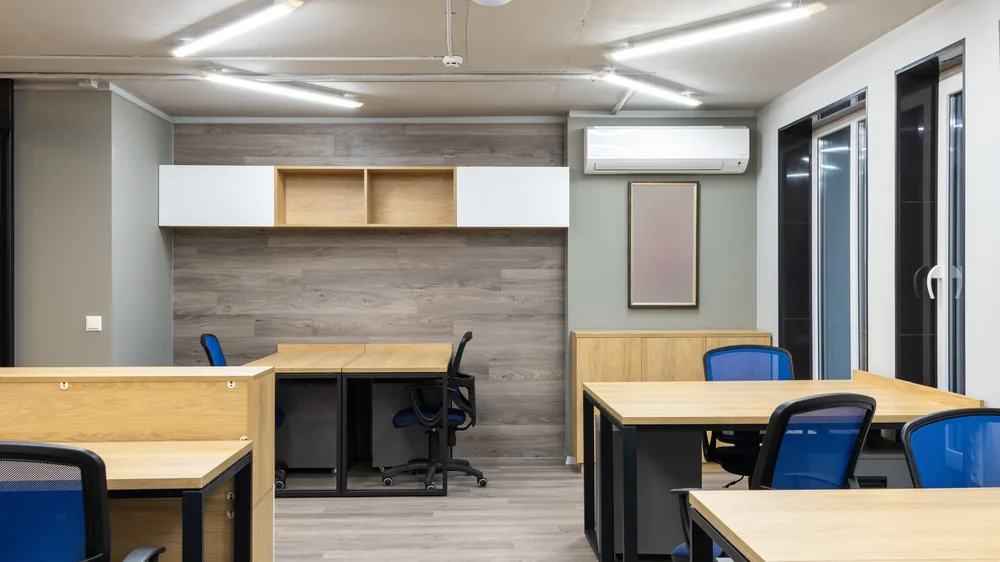
- Occupation and equipment. A meeting room with eight people, or a kitchen, or a room with lots of equipment, generates additional heat.
- rooms open to each other. Without a separate door, the real volume is the whole, not the room of the paper.
Why an oversized unit is also bad
It is a less well-known error than that of the small unit, and it is equally expensive.
An oversized unit quickly reaches the required temperature and switches off. Shortly afterwards it switches on again. When working in fits and starts, never manages to dehumidify the air, and it is the humidity, as well as the temperature, that gives the feeling of comfort. You end up with a cold and stuffy room.
Furthermore, starting is the time when a compressor consumes the most and wears out the most. Many short starts mean more consumption and less useful life, with equipment that cost more to buy.
One room or the whole house
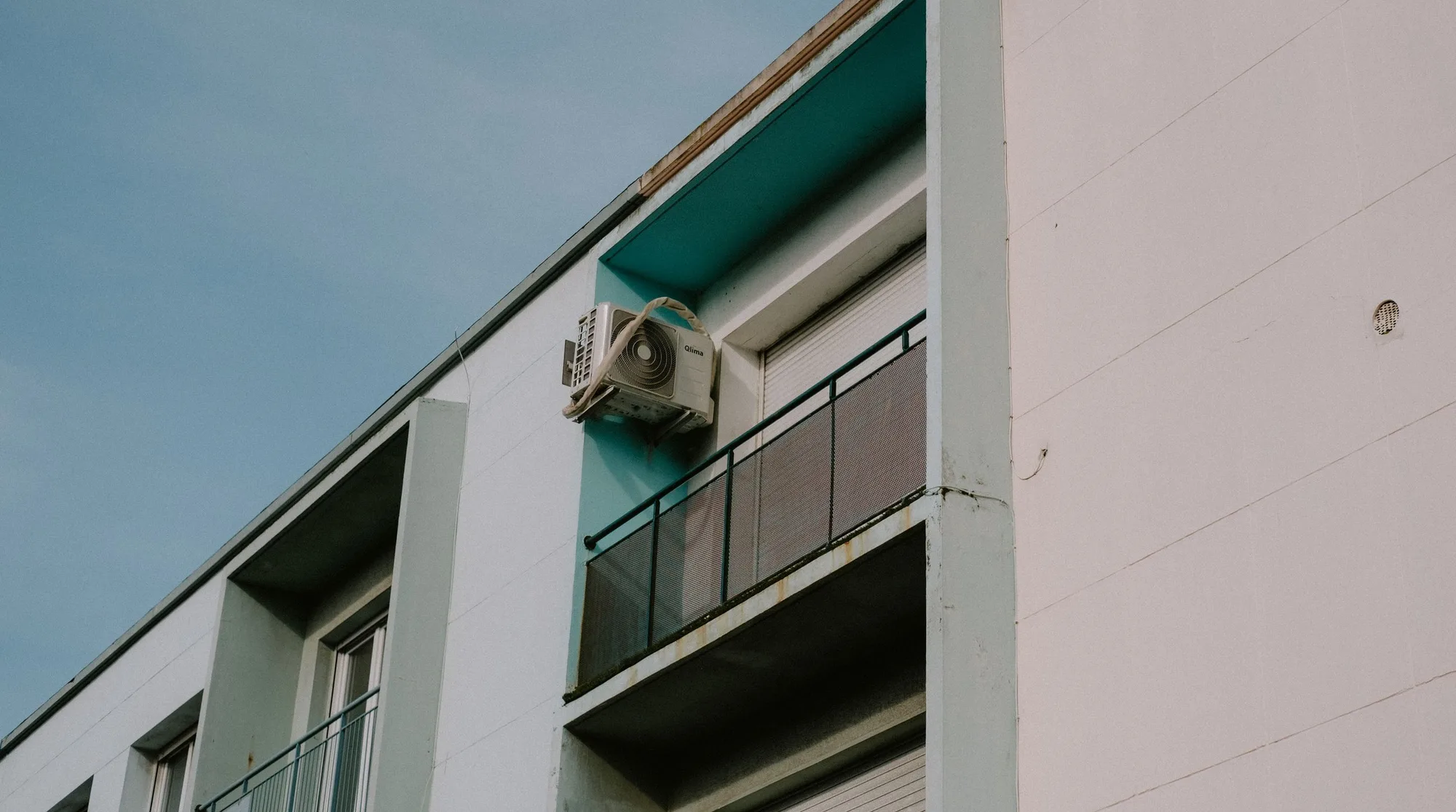
If you plan to air-condition more than one room, the bill is no longer the sum of its parts. A system multi-split (several indoor units connected to a single outdoor unit) is usually better than several independent units: a single machine on the façade, one installation, and the capacity distributed among whoever needs it at that moment.
The correct calculation is made on the spot
No table replaces seeing space. The orientation, glass, insulation, and use change the outcome enough to warrant a visit. And the visit is free of charge.
If you prefer, do the math here with the Climate, or tell us the measurements and orientation of the room by the website assistant or by phone, and we will tell you the appropriate capacity before making any commitment.
Do you need someone to see this on site?
The visit and quote are free and without obligation. If it's urgent, call — it's the quickest way. In writing, we will respond as soon as the team has the request in hand.